Every year, billions of dollars are invested in scientific research, including over $7 billion on cancer research through the National Cancer Institute alone. And yet, countless promising innovations never reach patients—not because the science fails, but because the early funding needed to translate discoveries into therapies is scarce. Many in the biomedical community know this challenge as the “Valley of Death.”
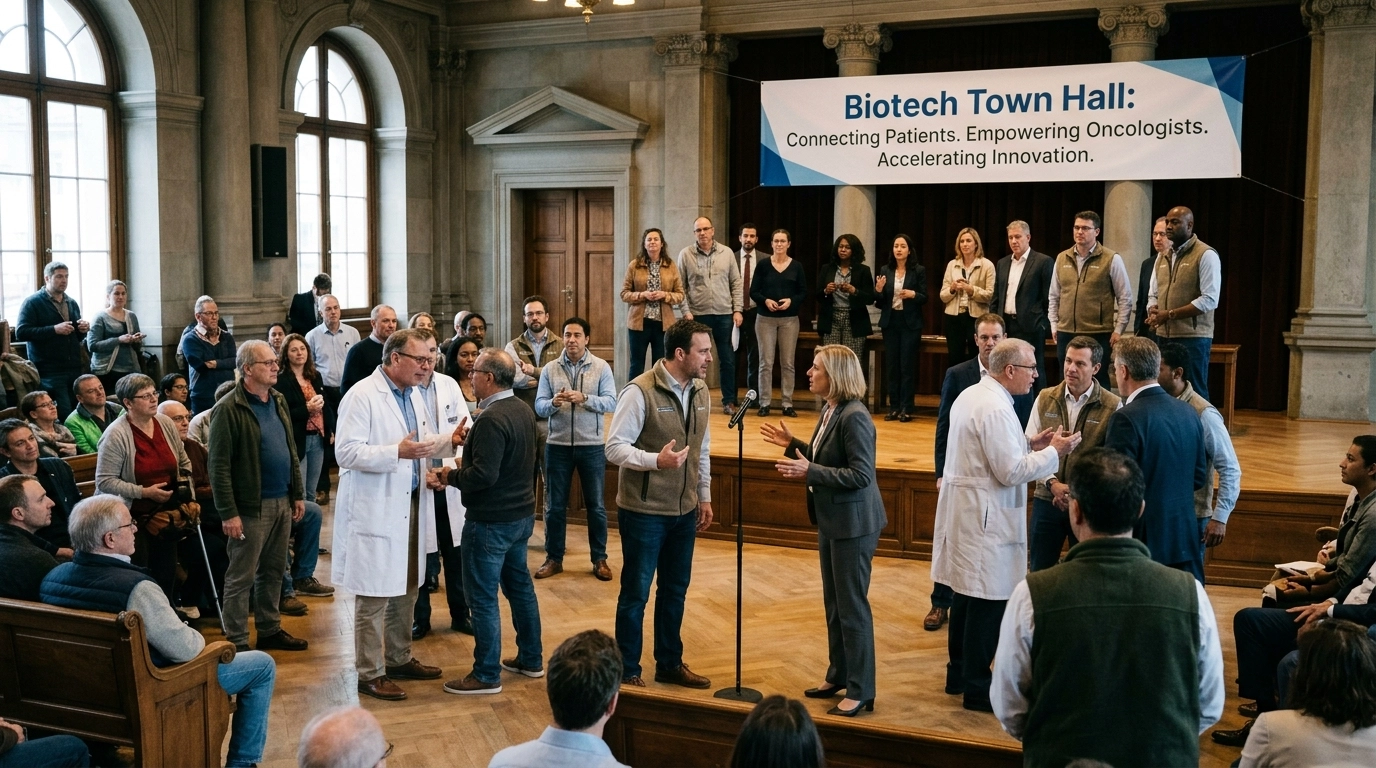
But there’s an even deeper, more pervasive problem: a trust gap between the public and the scientific and healthcare ecosystems.
As a former NCI postdoctoral researcher and biotech entrepreneur, I’ve experienced firsthand how science can be stymied by the lack of resources. Yet my work over the past decade has taught me that even well-funded research cannot thrive if the public does not trust it. Across the country, millions of people desperately seek breakthroughs in medicine—but they also believe, often sincerely, that cures are being withheld by institutions or industry.
This cynicism is widespread, and it signals something far more fundamental than funding gaps: a deep disconnect between the public and the systems we rely on to innovate and deliver care. Without trust, support wanes. Policymakers hesitate. Investors are cautious. And the promise of science—its potential to improve and save lives—is left unrealized.
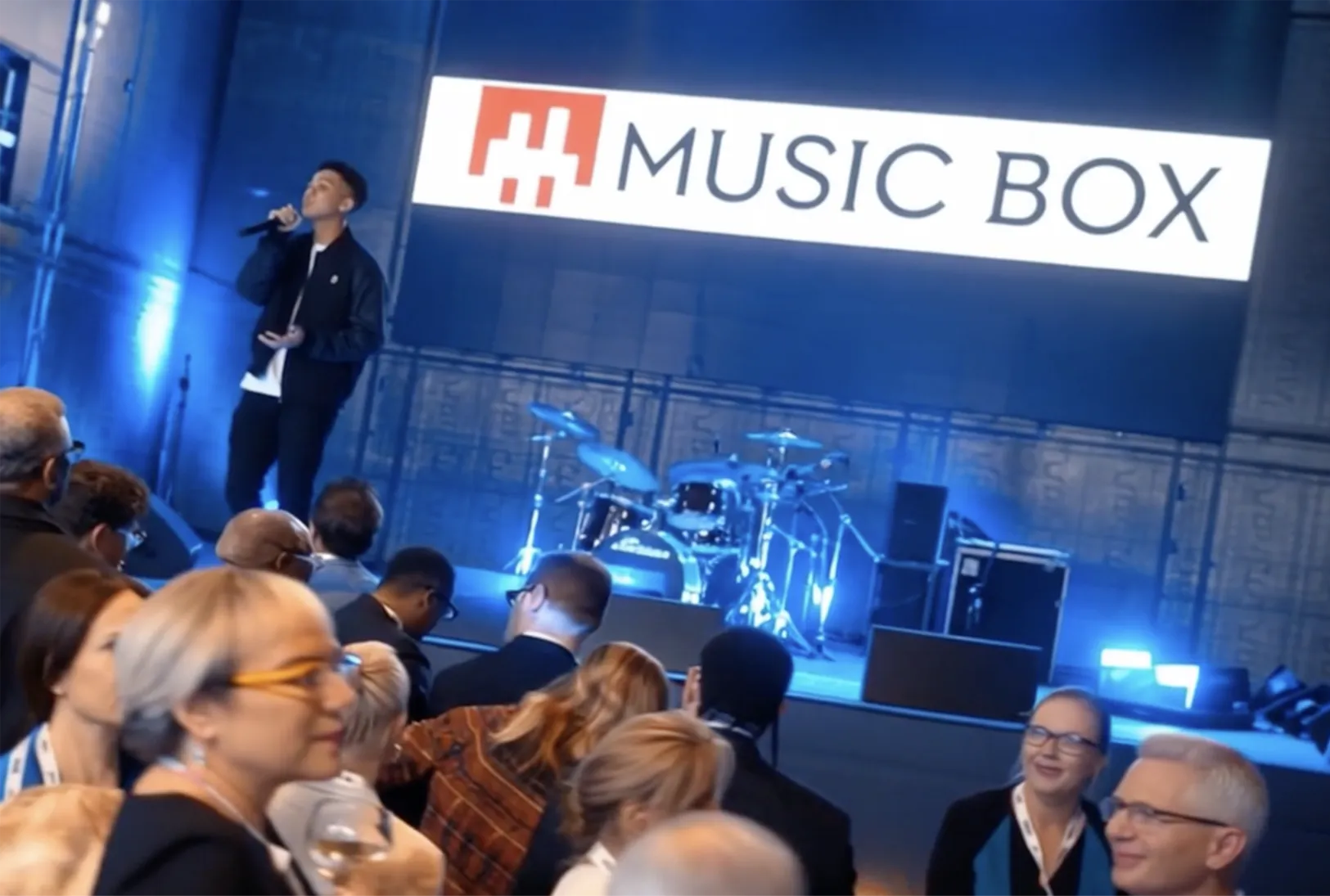
Solving this challenge requires more than grants and venture capital. It requires culture. People form trust not only through evidence, data, and peer-reviewed publications, but also through engagement, transparency, and shared experience. This is why at Music Beats Cancer, we have set out to rally the public around science and innovation through music, influencers, and popular culture.
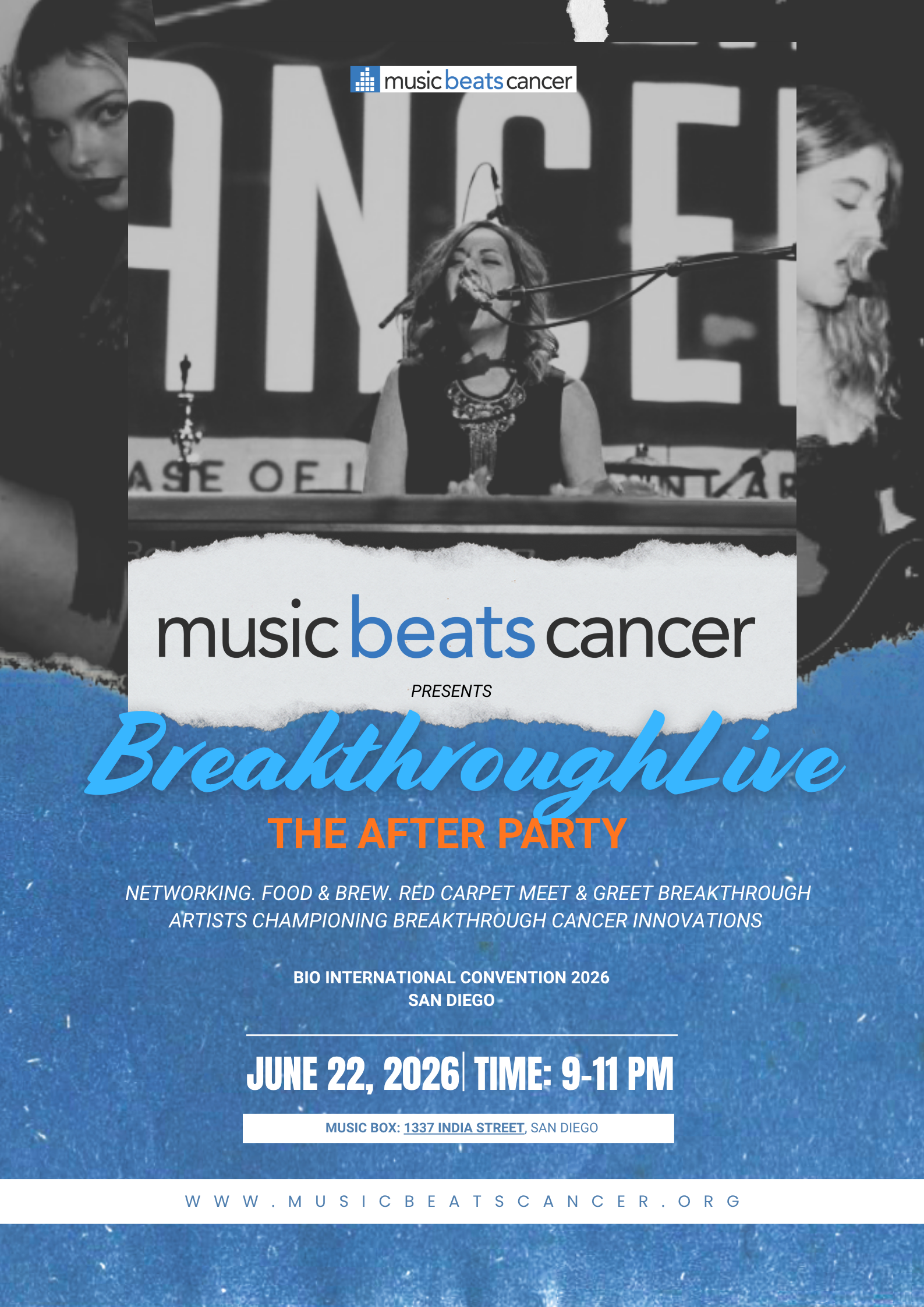
Our hypothesis is simple: if the public can see, experience, and participate in innovation—and if scientists and institutions continue to demonstrate rigor and transparency—then trust can grow. Programs like Battle of the Biotechs, BreakthroughLive, and After School Tech Talks connect people directly to innovators, showing them the human passion, dedication, and accountability behind breakthroughs. Our Cancer Influence Score (C-Score) allows us to measure not just awareness, but evolving attitudes and engagement.
Culture has always been a powerful vehicle for change. Music, art, and shared experiences shape how communities think, what they value, and whom they believe. By meeting people where they are, we can shift perception: from skepticism to engagement, from cynicism to hope, and from detachment to support for science.
The Valley of Death is a problem we can solve with funding and ingenuity. But the trust gap is existential. If the public cannot believe in the intentions, alignment, and integrity of scientific institutions, even the best innovations may never reach those who need them most.
We need a two-pronged approach: rigorous, transparent science and intentional public engagement. Only then can we ensure that discoveries are not only made, but also embraced, supported, and applied to improve lives. Science is a social contract as much as a technical endeavor, and it is time we treat it as such.
Our future breakthroughs, and the trust that allows them to flourish, depend on it.